
Some people with documented disabilities are legally entitled to receive classroom and workplace accommodations. Accommodations are forms of structure that help an individual access information, navigate the physical environment, communicate, and perform tasks to an adequate performance level.
For the individual with ASD or other social-communication differences, accommodations can minimize the social communication, organization, and self-regulation issues that may otherwise hinder performance in the school and work environments.
What is an accommodation in the school setting?
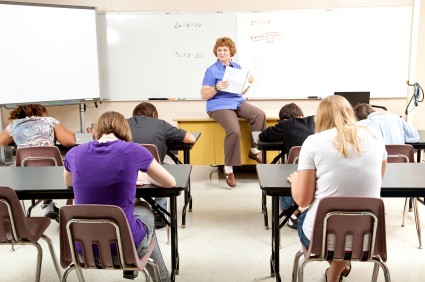 An accommodation is a strategy that changes how the instructional content or assessment material is delivered and accessed, without changing what the student is expected to master. In other words, the essential and core learning objectives are not modified. Accommodations are designed to help the student access those learning objectives. When a student has a documented disability that impacts their educational performance, the student’s classroom accommodations are typically indicated on the Individualized Education Program (IEP) or 504 Plan.
When might a student need these classroom accommodations?
- In instructional contexts (during lecture, group work, homework tasks, etc.)
- During quizzes and tests
- When transitioning from one school location to another
- In the cafeteria, physical education classes, assemblies, field trips, and any school-sponsored clubs or extracurricular activities
What is an accommodation in the workplace?
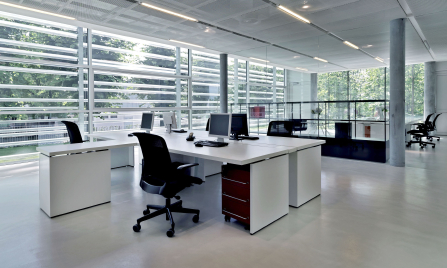 According to the Americans with Disabilities Act, an accommodation is a change in the work environment or in the way things are usually done to help someone with a disability perform their job duties. In other words, accommodations are strategies that help the individual do his or her job to the level expected by the supervisor.
Under ADA, an employer is required to provide accommodations to employees with disabilities, unless it would cause undue hardship to the company. “Undue hardship” means that it would be very difficult for the employer to make those accommodations because it would cause significant financial strain on the company or, it would significantly disrupt the operation or nature of the business. If the accommodation causes undue hardship to the company, then the accommodation is not considered “reasonable.”
In order to be hired for a position, an employee must be able to perform the essential functions of the job. Certain reasonable accommodations can help some individuals with ASD perform these functions.
When might an individual with ASD need certain workplace accommodations?
- In on-campus vocational settings
- In off-campus vocational training settings
- During the job application process
- During the pre-employment screening assessment process
- Before and during the interview
- On the job
Click Here to download Accommodations.pdf

How can I accommodate my student’s social communication issues in the school environment?
Environmental Design
- Allow student to give presentations to smaller group or 1:1
- Arrange for private rather than public inquiries
- Arrange access to personal augmentative communication device across all contexts, all of the time (for students who do not verbally communicate)
Personal Supports
- Provide extensive practice and feedback on social communication exchanges with adults and peers
- Pair student with competent peer models for small group work
Visual Supports
- Allow written responses in place of verbal responses
- Permit alternative, independent assignments to replace group work
- Deliver instructions/directions in visual formats (written, pictures, modeling)
- Provide sequenced instructions that support an individual in group work
- Devise and practice written scripts for social exchanges, presentations, etc.
- Devise and teach use of card or signal for “Need help,” “Break,” etc.
- Develop and teach use of coping cues cards, social stories, and other visual narratives
- Arrange access to coping cue cards, social stories, and other visual narratives in a manner as convenient and unobtrusive within the school environment as possible
- Grant alternative projects to replace oral presentations
When I think about the accommodations my student needs in order to communicate, how might these needs translate to the workplace, now or in the future?
Environmental Design
- Allow required work presentations to be delivered to smaller groups
- Ensure continual access to personal augmentative communication device (for employees who do not verbally communicate)
- Permit communication through email when appropriate, rather than face-to-face
Personal Supports
- Arrange for a job coach or advocate to accompany applicant to interview
- Provide repeated practice and feedback with primary interview questions
- Practice and/or precisely formulate interactions with customers if interactions are necessary
- Allow a pause or extra time to respond to interview questions
Visual Supports
- Provide a written version of interview questions prior to the interview
- Allow for written responses in place of verbal responses when appropriate
- Give instructions/directions in different formats (written, spoken, demonstration)
- Ensure access to “Need help” or “Break” card or signal (for employees who do not verbally communicate their wants and needs)
- Issue training videos and video modeling to demonstrate appropriate social communication behaviors
- Provide sequenced instructions that support an individual in group work
- Devise and practice written scripts for social exchanges, customer interactions, etc.

How can I accommodate my student’s attention, stamina, and organizational issues in the school environment?
Environmental Design
- Arrange preferential seating (away from distracting peers, near you, facing the wall or behind tall bookshelves to eliminate distractions)
- Arrange designated “work station” area
- Test in small groups or in 1:1 situations
- Allow student to complete work standing rather than sitting
- Allow student to sit on a “wiggle seat”
- Permit use of headphones or ear plugs
- Provide clearly designated storage areas in classroom
Time Management
- Issue testing across multiple days rather than in one sitting
- Allow more frequent breaks during long seatwork periods, lectures, and tests
- Grant extended time on assignments, tests, and/or quizzes
- Break down large projects into smaller parts with short-term deadlines
Personal Supports
- Arrange assistance with note taking (i.e. peer notes)
- Perform daily agenda checks
- Establish homework communication folder with parents/caregivers
Materials Organization
- Present material in smaller chunks
- Remove potentially distracting and unnecessary materials from desk
- Arrange for lectures to be audio-recorded
- Provide extra set of textbooks to leave at home
- Send home extra copies of homework assignments
Visual Supports
- Give instructions/directions in different formats (written, spoken, demonstration)
- Remove unnecessary or less relevant information
- Provide study guides/summary sheets/outlines of important information
- Issue graphic organizers to represent key concepts, processes, divisions
- Provide visual instructions to accompany verbal instructions
- Provide set of guided notes prior to lecture
- Highlight most relevant information on worksheets, handouts, textbooks
- Provide full set of class notes
- Provide written to-do lists, checklists, prioritizing lists, etc.
- Arrange and teach use of visual organization systems such as to do lists, folders, bins, boxes
- Teach use of electronic hand-held calendars/planners
- Provide agenda book planner for recording all assignments
- Provide labeled or color-coded binders
- Develop notebook section dividers (e.g. by subject area, notes, homework, etc.)
- Build in choice and preferences into instructional materials, activities, and schedule
- Permit reduced length on writing assignments
- Reduce number of items on tests and homework
When I think about the accommodations my student needs in order to maintain attention, stamina, and organization, how might these needs translate to the workplace, now or in the future?
Environmental Design
- Arrange for employee to work in a separate area, office, desk, etc.
- Arrange clearly designated “work station” area
- Arrange work station in quiet setting if possible
- Provide vocational assessments in small groups or in 1:1 situations
- Permit use of headphones or ear plugs
- Permit employee to complete work while standing rather than sitting
- Permit use of a white noise machine to block out distracting background noise
Time Management
- Arrange for extended time on pre-employment screening assessments
- Allow more frequent, shorter breaks
- Arrange for use of a timer, clock, and / or watch
- Break down large projects into smaller parts with short-term deadlines
Personal Supports
- Arrange for increased monitoring and support from job coach, supervisor, co-worker-mentor
Materials Organization
- Remove potentially distracting and unnecessary materials from work space
- Provide labeled filing systems, drawers
- Develop binders with labeled dividers
Visual Supports
- Present work assignments and instructions in smaller chunks
- Give instructions/directions in different formats (written, spoken, demonstration)
- Provide summary sheets/outlines of important information, procedures, rules, etc.
- Provide visual instructions to accompany verbal instructions
- Highlight or bold most relevant information on instructions, manuals, etc.
- Promote use of written planner for recording all tasks and due dates
- Promote use of electronic planners, calendars
- Establish written to-do lists, checklists, prioritizing lists, etc.
- Assign one task at a time
- Develop written, picture, or object-based schedules
- Provide visual transition cues
- Arrange and teach use of visual organization systems such as to do lists, folders, bins, boxes
- Issue reminder cues (e.g. post-it notes)
- Build in choice and preferences into visual schedules

How can I accommodate my student’s anxiety, frustration-tolerance, and over-stimulation issues in the school environment?
Environmental Design
- Test in small groups or in 1:1 contexts
- Arrange preferential seating (away from distracting peers, near you)
- Arrange early dismissal from class to avoid traffic in hallways
- Arrange early dismissal to cafeteria before large crowds arrive
- Grant excuse from large assemblies, meetings, presentations
- Provide lunch pass to eat in classroom rather than in cafeteria
- Arrange for a quiet area/calming area to cool off
- Permit use of headphones or ear plugs during hallway transitions, assemblies, independent work and testing
- Allow student to give presentations to smaller group
- Permit alternative, independent assignments to replace group work
- Arrange for private rather than public inquiries
- Permit tinted lenses, transition lenses, or sunglasses to reduce light sensitivity
Personal Supports
- Allow time for repeated review or drill prior to testing
- Arrange special transportation to from school
- Arrange for testing with familiar staff
Visual Supports
- Present visual schedules outlining order of activities across the day or session
- Build in choice and preferences into schedules
- Allow for a reduced number of items on homework assignments
- Develop and teach use of break card to signal quick exit from classroom
- Develop and teach use of coping cue cards, social stories, and other visual narratives
- Arrange portability and access to coping cue cards, social stories, and other visual narratives
- Devise alternative projects to replace oral presentations
- Issue fewer multiple choice items on tests (i.e. 3 instead of 4)
When I think about the accommodations my student needs in order to cope with anxiety, frustration, or over-stimulation, how might these needs translate to the workplace, now or in the future?
Environmental Design
- Arrange for applicant to complete application in quiet area, with minimal distractions
- Conduct interview in quiet areas, no distractions
- Allow for a break during the interview
- Arrange for a quiet area/calming area to relax
- Excuse from large meetings, presentations
- Arrange a work area in a quiet location
- Issue pre-employment screening testing in small groups or 1:1
- Permit use of headphone or ear plugs
- Permit tinted lenses, transition lenses, or sunglasses to reduce light sensitivity
- Permit alternative uniform fabric or attire to address sensory issues
Personal Supports
- Arrange for a job coach or advocate to accompany applicant to interview
- Permit an advocate or job coach to accompany employee to performance reviews and job trainings
Visual Supports
- Issue outline or schedule of the interview ahead of time
- Provide a written version of interview questions
- Devise and teach use of a break card to signal quick exit from area
- Issue clear visual reminders of workplace rules
- Offer training videos and modeling to demonstrate appropriate self-regulation behaviors
- Provide visual schedules outlining order of activities across the day
- Issue advance notice on meeting topics (in visual form)
- Issue advance notice on schedule or routine changes (in visual form)