|
Strategies
It is important to implement strategies that address the needs of the individual. We recommend that you apply these strategies across home, school, and community contexts.
| Cognitive Development |
 Develop schedules to help plan and organize activities that involve several steps, such as getting ready for school, which can also help shift attention to the next activity. Develop schedules to help plan and organize activities that involve several steps, such as getting ready for school, which can also help shift attention to the next activity.- Post reminder strips of steps involved in everyday tasks.
- Use picture cards as reminders.
- Teach reading and search order to help with math and reading skills.
- Allow practice and repeat actions to reinforce learning.
- Use the student’s preferences and interests to build lessons (get input from parents).
- Allow student time to complete tasks and practice skills at own pace.
- Acknowledge level of achievement by being specific.
- Be specific when giving praise and feedback.
- Break down tasks into smaller steps.
- Demonstrate steps, and then have student repeat the steps, one at a time.
- Be as concrete as possible.
- Demonstrate what you mean rather than giving directions verbally.
- Show a picture when presenting new information verbally.
- Provide hands-on materials and experiences.
- Share information about how things work.
- Pair student with a buddy who can assist with keeping the student on track.
- Be consistent with classroom routines.
- Set a routine so student knows what to expect.
- Provide a visual schedule of activities that can be understood by the student (using photos, icons).
- Use a visual timer so student knows when an activity will be over and they can transition to the next task.
- Use age appropriate materials.
- Use short and simple sentences to ensure understanding.
- Repeat instructions or directions frequently.
- Ask student if further clarification is necessary.
- Keep distractions and transitions to a minimum.
- Teach specific skills whenever necessary.
- Provide an encouraging and supportive learning environment.
- Do not overwhelm a student with multiple or complex instructions.
- Speak more slowly and leave pauses for student to process your words.
- Speak directly to the student.
- Speak in clear short sentences.
- Ask one question at a time and provide adequate time for student to reply.
|
| Motor Development |
 Plan physical activities for times when the student has the most energy. Plan physical activities for times when the student has the most energy.- Provide simple, fun obstacle courses that the student is capable of completing.
- Provide daily opportunities and activities for children to use handheld tools and objects.
- Use songs with finger plays to develop fine motor skills.
- Use materials such as a non-slip mat under drawing paper, thick crayons, and thick handled paint brushes that are easy to grasp.
- Incorporate singing and dancing into many activities.
- Place objects in student’s hand to hold and feel.
- Give student blocks, clay, paper, pencils, crayons, safety scissors, play dough, and manipulatives.
- Plan daily physical activities, and take students outside to run, climb and jump around.
- Have student practice buttoning and unbuttoning, zippering clothes or opening and closing a door.
- Use activities that involve cutting, pasting, drawing and writing.
- Model and use activities with drawing and writing tools.
|
| Medical Problems |
 Communicate with parents/caregivers about medications and side effects. Communicate with parents/caregivers about medications and side effects.- Have a schedule for active and quiet times.
- Model and talk about healthy eating habits with students.
- Provide nutritious snacks and meals.
- Make parents aware of health concerns that could affect a child’s development (e.g. changes in diet, hearing, vision).
- Provide parents with information about health, medical, and dental resources.
|
| Visual / Spatial Skills |
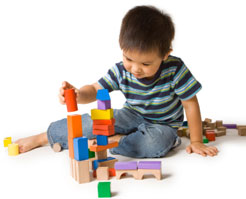 Use visual discrimination games such as matching and “I spy.” Use visual discrimination games such as matching and “I spy.”- Play card games.
- Use puzzles, mazes, and patterning activities.
- Provide opportunities for copying (pictures and words).
- Use matching activities (letters, and shapes).
- Have student use grid or graph paper to align numbers and letters.
|
| Auditory Processing |
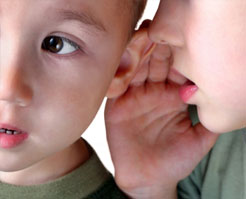 Deliver information in both visual and oral formats. Deliver information in both visual and oral formats.- Use large clear pictures to reinforce what you are saying.
- Speak slowly and deliberately.
- Paraphrase back what the student has said.
- Clarify types of communication methods the student may use.
- Label areas in the room with words and pictures.
- Use sequencing cards to teach order of events.
- Develop a procedure for the student to ask for help.
- Speak directly to the student.
- Have easy and good interactive communication in classroom.
- Be aware that the student may require another form of communication.
- Encourage participation in classroom activities and discussions.
- Model acceptance and understanding in classroom.
- Provide assistance and provide positive reinforcement when the student shows the ability to do something unaided.
- Use gestures that support understanding.
- Model correct speech patterns and avoid correcting speech difficulties.
- Be patient when student is speaking, since rushing may result in frustration.
- Focus on interactive communication.
- Use active listening.
|
| Behavior |
 Structure the environment to be predictable, with minimal distractions. Structure the environment to be predictable, with minimal distractions.- Prepare student for changes in routine.
- Provide interaction with non-disabled peers as role models for social, communication, and behavior skills.
- Develop a behavior management system that provides structure and consistency.
- Value and acknowledge the student’s efforts.
- Provide opportunities for students to interact directly with each other.
- Teach student to express his / her feelings in age-appropriate ways.
- Ask student to imagine how their behavior might affect others.
- Have students make a “friend book” with students from the class.
- Comment on or describe what the student is doing (be specific).
- When dealing with conflict, explain what happened in as few words as possible and use a calm, not-angry voice.
- Point out consequences of the student’s behavior.
- Brainstorm better choice(s) with the student.
- Use language to describe feelings and experiences.
- Put student’s feelings into words.
- Read books about feelings.
- Explain your reasons for limits and rules in language that the student can understand.
- Model the benefits involved in cooperating.
- Use natural consequences when possible to reinforce cause and effect involved in a rule, request, or limit.
Behavior management techniques can be used in the home, school, and community settings. Functional Behavior Assessments/Behavior Intervention Plans can be created by examining a student's specific problem behavior, identifying antecedents, understanding consequences that maintain the behavior, and developing strategies to reduce the inappropriate behavior and increase desirable behavior. Explore GoFAR, a Program developed with Emory University to help with managing FASD behavior issues.
|
|