Thank You Letters
After the hard work of applying and interviewing for a job, it would be easy to take a well-deserved break, but first there is one more task to be done. A thank you letter is an essential follow-up step to a job interview. In addition to expressing gratitude to the employer, a thank you letter can also show that the candidate is professional, polite, and committed to the job. Because the social custom of writing thank you notes is not as common as it once was, students may struggle with understanding why they should write them or what to include in the letter. An organized plan of action can help the student craft a polite and well-written thank you letter that will leave a positive impression with the employer.

Teaching Ideas
Click on the icons below for detailed information on how to teach this skill.





 Guiding Questions
- Does the student understand the purpose of a thank you letter?
- Does the student struggle to adjust his writing style and content depending on the audience?
- Does the student struggle to express his ideas in a clear, succinct manner and without straying away from the central focus?
- Does the student use any strategies to proofread and edit his written work?
- Will the student need to be taught the steps for delivering the printed thank you letter (folding the letter, addressing an envelope, applying postage, etc.)? Will the student need to be taught the steps of delivering the thank you letter via email (using an appropriate subject line, using a professional email address, editing any signature stamps, etc.)?
Visual Supports
|
Schedules are visual supports that organize the school or work day and tell the student where he will go that day. Schedules help focus attention on the sequence of places and events.
|

The to-do list (also referred to as a "work system"or "activity system") visually clarifies a series of activities that a student is to do.
|
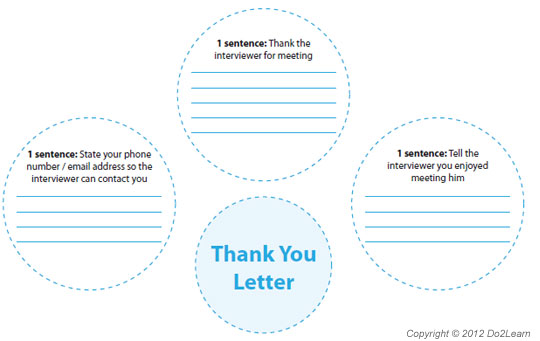
Graphic organizers can provide a student with a way to represent and organize concepts, thoughts, feelings, behaviors, and potential outcomes.
|

Social narratives are a set of tools that visually represent social situations and appropriate social behaviors. The social narrative connects the important details of a setting or social situation to support the student in understanding the social context and in developing a new social skill.
|
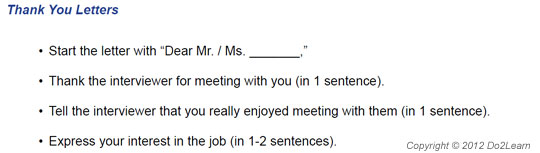
Visual Cues are learning materials that students can keep with them to help guide them through real life situations.
|