

- Disabilities
- Overview
- Definitions
- Evaluation & Identification
- Characteristics & Strategies
- Parents and Teachers
- Academics
- Behavior Management
- Picture Cards
- JobTIPS Student
- Products

|
Overview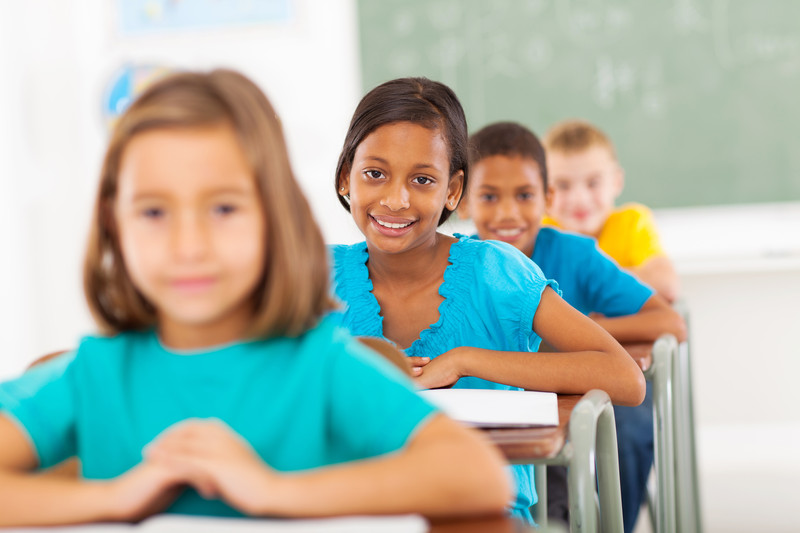 All children need to be educated in a setting where they can feel safe and respected, where they can learn, and where they can develop socially and emotionally. However, behavioral disruptions can negatively affect the learning environment for the child causing the disruptions, as well as for the remaining students. All children need to be educated in a setting where they can feel safe and respected, where they can learn, and where they can develop socially and emotionally. However, behavioral disruptions can negatively affect the learning environment for the child causing the disruptions, as well as for the remaining students.
It is possible to manage behavioral disruptions effectively, allowing the child presenting the behavioral problems to interact productively in the learning environment. However, there are a multitude of factors that could influence a child’s behavior in a classroom setting. It is important to determine these influences in order to decide upon the level of intervention needed to support the child. It is necessary to consider the individual’s needs in relation to their situation. Most frequently, classroom modification strategies can provide the necessary support for the student. A goal of behavior intervention is to guide students to learn to manage their behavior themselves. A successful behavior intervention helps students to learn to be accountable for their actions by working with them to set goals and rewards. A good level of communication allows the student to understand the purpose and reasons for the intervention, and will motivate the student to appropriately interact with others.
|
 Hypothesis: