Lighting Level
The lighting level at a workplace can range from low lighting, to florescent lighting, to natural lighting.
As you read the boxes below, keep this in mind: The lighting level may vary from place to place within one single job type. For example, one restaurant waiter may work in a dimly lit restaurant, but another restaurant waiter may work in an outdoor café with natural lighting. Therefore, the job types listed in each box below are provided to give you an example of one possibility.
When applying or interviewing for a job, you should visit the job site to see what type of lighting there is if this is an issue for you.
For example, sometimes restaurants prefer that their dining area has low lighting, or if you are working in a bar, there is often low lighting in that workplace as well. For other jobs, you may not have any light in the area in which you are working and are required to use special lighting to see what you are doing. 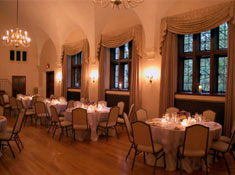
Jobs that may require you to work in low or dim lighting levels:
- restaurant waiter
- bartender
- photographer
- electrician
- mechanic
|
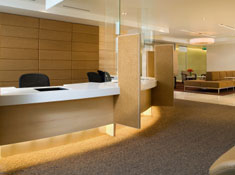
Moderate lighting conditions are workplaces where regular light bulbs are used for lighting.
Jobs that may expose you to moderate lighting levels:
 home health care aide home health care aide- house painter
- office clerk
- graphic designer
- artist
- research assistant
|
Many workplaces, including restaurants, stores, and offices, now use florescent lighting.
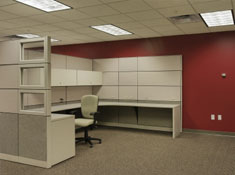 Jobs that may expose you to florescent lighting: Jobs that may expose you to florescent lighting:
- retail salesperson
- cashier
- restaurant waiter
- teacher
- bank teller
- office clerk
- pharmacy technician
- veterinary technician
- computer technician
|
Natural lighting means that the workplace either does not use other types of lighting, or they may combine the use of natural lighting with other artificial lighting. For example, an office building with large windows might use natural lighting.
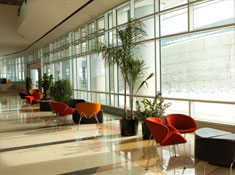 Indoor jobs that may expose you to natural lighting: Indoor jobs that may expose you to natural lighting:
- restaurant waiter
- teacher
- bus driver
- drafter
- artist
- plant nursery worker
|
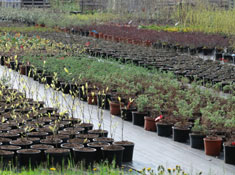 Outdoor jobs that will expose you to natural lighting: Outdoor jobs that will expose you to natural lighting:
- farm worker
- plant nursery worker
- landscaper
- baggage handler
- mail carrier
- construction worker
- tour guide
- outdoor sports instructor (e.g., teaching tennis or skiing)
|
Sometimes, your job may require you to tolerate certain environmental demands that you do not like. No work environment is perfect all the time. Everyone has to cope with certain job-related environmental demands.
How can you cope with lighting demands? Keep in mind that these strategies might not be okay for all work settings. You might need to ask your supervisor for permission before using some of these strategies:
 Wear sunglasses, tinted lenses, or transition lenses.
 Change light bulb intensity level (if you work in your own area/office).
 Take your scheduled breaks in a dim or dark environment.
 Close your eyes during scheduled breaks.
 Request to work near a window.
Check out this video to see how to appropriately ask your supervisor for permission to use a certain strategy. 
Go to our Coping Section to learn coping strategies and techniques so you will keep the job you want.