
 |
Keeping a Job Coping Strategies
|
||||||||||||||||||||||||||||||||||
 Triggers
| Physiological: | Social: | Environmental: | Thought: |

Hunger Fatigue, exhaustion Thirst Illness Pain Extreme cold Extreme heat Trauma *These are stressors for all humans |

Conflicts with family members Relationship problems with significant other Disagreement, conflict with friend Constructive criticism (feedback) from supervisor Interruptions at work Disagreement with co-worker Group work with co-workers Small talk, social exchanges Social isolation, exclusion Upset customers Meeting new people Large crowds Teasing, bullying Peer pressure |
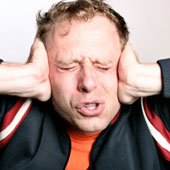
Noise level Smells Lighting level Temperature Textures Work attire (clothing, uniform) Work schedule Length of work shift Changes in daily routine Changes in work responsibilities Deadlines, time pressures Physical requirements of job (sitting, standing, lifting, etc.) Large or small spaces
|
Problems understanding ideas, concepts Problems understanding instructions Low self-esteem Attention problems Organization problems Control issues Sadness, depression Fear Problems communicating or expressing ideas Fixations, obsessions |
 Confusion over job task
We recommend that you identify the social, environmental, and thought triggers that might affect your performance at work. You need to be prepared for these stressors so you don’t explode at work. Remember, exploding at work could cause you to lose your job.
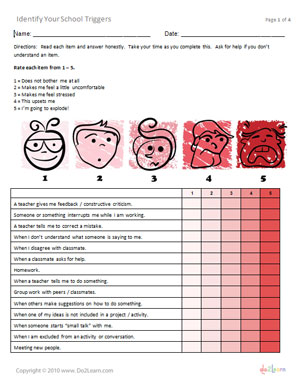
- What makes you feel stressed or anxious? Use our "Identify Your Triggers" Worksheet to help you figure this out.
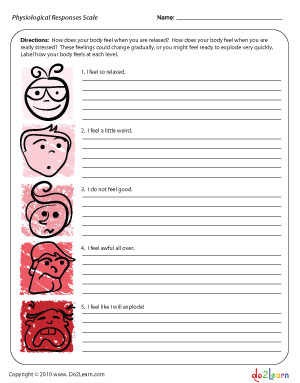
- After you have identified your triggers, you can organize these triggers on your "My Triggers Scale" worksheet.
|
|
||||||||||||||||||


|
|


